Rodent and Wildlife Removal for Sunset Hills Homes
Request an estimate first
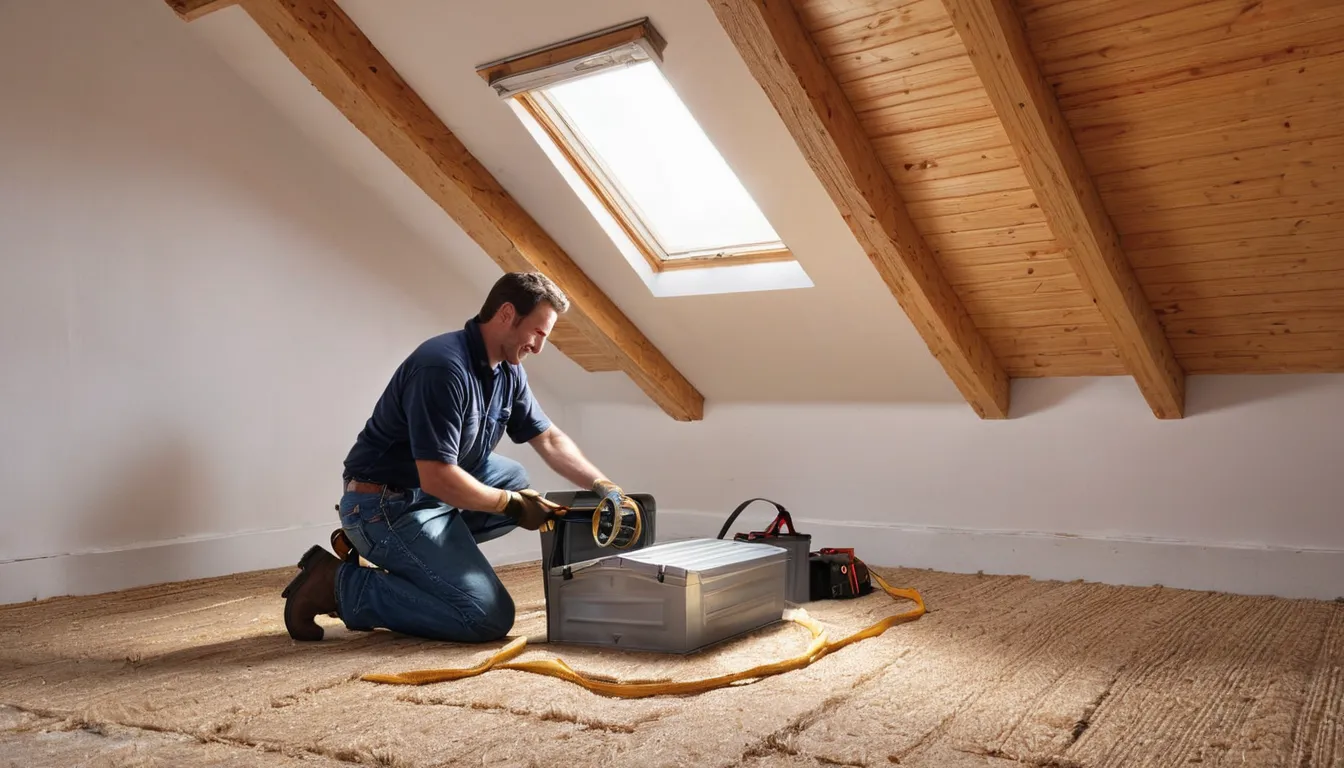
Animals in a house cause trouble fast. Mice and rats chew wires and soil insulation. Squirrels, raccoons, and bats can settle into attics and wall gaps. Sparetranslation Pest Control is a referral service. We do not do the work. We connect you with independent providers in our network who handle rodent and wildlife removal in the Sunset Hills area.
Here is how it works. First, send an estimate request with a few details about what you hear or see. Next, a local provider contacts you. Then you compare written estimates, ask questions, and choose. You can say no at any point. Request a callback to check provider availability if you would rather talk it through. Providers set their own prices, methods, and schedules.
Noises in the Attic or Walls? Start Here
Scratching, thumping, or squeaking can mean mice, rats, or larger wildlife. Do these four things first:
1. Note where you hear it and what time of day. 2. Keep children and pets away from that area. 3. Do not block any holes yet. 4. Request an estimate from a provider.
Why Timing Matters
Rodents multiply quickly. A few mice can turn into a crowd in a short time. Larger animals may have young hidden inside, and that changes how removal is done.
Damage also grows. Chewed wiring, soiled insulation, and torn ducts get worse the longer animals stay. Cold winters with deep frost push many animals indoors. Hot, humid summers bring others looking for shade and water.
Signs to Watch For
Check for these clues:
- Scratching, rolling, or squeaking sounds, often at dusk or night
- Droppings in the attic, pantry, or garage corners
- Gnaw marks on wood, wires, or stored boxes
- Greasy rub marks along walls and beams
- Musty or sharp odors in vents or closets
- Pulled-apart insulation or shredded nesting material
- Pet behavior, such as staring at a wall
Common Animals Providers Handle
Providers in our network commonly deal with:
- House mice and Norway or roof rats
- Squirrels and chipmunks
- Raccoons and opossums
- Bats
- Skunks and groundhogs under porches or decks
- Birds nesting in vents or soffits
Each animal needs a different plan. That is why a proper inspection comes before any price.
Where They Get In
Older frame houses from many decades ago often have gaps at rooflines, vents, and where pipes enter. Bungalows and ranch homes have low eaves that are easy to reach. Full basements can have gaps around sump pits, utility lines, and foundation cracks.
A small hole can let in a mouse. A loose vent cover can let in a squirrel.
What You Can Safely Do First
A homeowner can help with simple, low-risk tasks:
- Put food in sealed containers and take out trash often
- Keep pet food off the floor overnight
- Trim branches that touch the roof
- Take photos of droppings, damage, and entry points you can see from the ground
- Write down the dates and places of noises
These notes help providers give a more accurate estimate.
What Needs a Professional
Some jobs are not safe or effective as a DIY project:
- Work on roofs, ladders, and tight attic spaces
- Handling bats, raccoons, or any animal that may bite
- Cleaning heavy droppings, which can carry germs
- Sealing entry points while animals may still be inside
- Finding every gap on an older house
Store-bought traps and sprays often miss the real entry point. Professional tools and training usually solve it faster.
How Removal Works, Step by Step
1. Inspect. The provider checks the attic, crawl spaces, roofline, and foundation. 2. Plan. You get a written plan and estimate. 3. Remove. Animals are trapped, excluded, or guided out, depending on the species. 4. Seal. Entry points are closed once the home is clear. 5. Clean up. Some providers also handle droppings and damaged insulation. 6. Follow up. Many providers check back to confirm the problem is solved.
Humane Handling and Local Rules
Rules about trapping, relocating, and protecting certain animals vary by state and town. Bats, for example, may be protected during parts of the year. A reputable provider knows the local rules and explains them before work starts. Ask how animals will be handled.
Comparing Estimates
Lay the estimates side by side. Check:
- What is included, such as inspection, removal, sealing, and cleanup
- How many visits are planned
- How long any warranty-style follow-up lasts, in writing
- Whether sealing work is separate from removal
- The method used and why
A quote with a small price tag may leave out sealing, and then the animals return. Compare scope, not only price.
Questions to Ask a Provider
- Are you licensed and insured for this work in my state?
- How do you handle young animals?
- Where will you look for entry points?
- What happens if the animals come back?
- Can I have this in writing?
Compare, Then Decide
Estimate first. Read each plan, ask follow-ups, and take your time. There is no obligation, and no pressure from Sparetranslation Pest Control.
Keeping Animals Out Later
Once the home is clear, a few habits help:
- Seal gaps with metal mesh or other durable materials
- Cap chimneys and screen vents
- Keep gutters clear and branches trimmed
- Store firewood away from the house
- Check the roof and vents after storms
After Storms, Floods, and Frost
Severe thunderstorms and hail can loosen vents and roof edges. Spring flooding can push rodents out of burrows and toward your house. Deep frost can crack foundations and open new gaps. A quick walk around the house each season helps catch these early.
If you notice a new gap or new noises, Request a callback to check provider availability, or send a request through the form.
What's Included
Inspection and Entry Points
A provider checks the attic, roofline, and foundation to find how animals are getting inside.
Removal Plan
Methods are matched to the animal, with attention to young and local rules.
Sealing and Repairs
Gaps and vents are closed so animals cannot simply return.
Cleanup Options
Some providers also remove droppings and damaged insulation. Ask what is included in writing.
Typical Rodent and Wildlife Removal Costs
Prices in the U.S. vary by animal, home size, and how hard the entry points are to reach. Use these ranges as a starting point, and always get a written quote.
| Service | Typical range | Notes |
|---|---|---|
| Inspection visit | $100 – $300 | Some providers apply it to the job if you hire them |
| Mouse control program | $200 – $600 | Often includes follow-up visits |
| Rat control | $300 – $900 | Depends on the size of the infestation |
| Squirrel or raccoon removal | $300 – $800 | Young animals can raise the price |
| Bat exclusion | $500 – $3,500 | Timing rules can apply by season |
| Sealing entry points | $300 – $3,000 | Roof height and home age affect cost |
How It Works
Send Your Details
Tell us what you hear or see, where it is, and when it started, using the estimate form.
Connect With a Provider
A local provider in our network reaches out to ask questions and set up a visit.
Compare Written Estimates
Look at scope, methods, and price side by side. Ask questions as needed.
Decide and Schedule Work
Pick the provider you like, or take more time. There is no obligation to hire.
Why Call Sparetranslation Pest Control
Compare Before You Commit
Request an estimate, read the plans, and choose with no pressure or obligation.
Local Providers
Independent providers in our network work in the Sunset Hills area and know the homes and weather here.
Clear Roles
Sparetranslation Pest Control does not do the work. Providers set the prices and methods.
Steps, Not Stress
A simple process keeps a stressful problem organized from the first noise to the final seal.
Other Services
Need rodent & wildlife removal services in Sunset Hills?
Send a short request with the pest and the room. Independent providers in our network review it and reply with questions and a written quote.
No obligationRodent & Wildlife Removal Services FAQ
How do I know if I have mice, rats, or something bigger in my attic?
Sound and timing help. Light scurrying at night often points to mice or rats. Heavy thumping in daytime can mean squirrels. Droppings size and gnaw marks help too. A provider can confirm during an inspection.
Should I seal the hole myself if I find where the animal is getting in?
Not until you know the animal has left. Sealing can trap one inside, where it may die, cause odors, or damage the home while trying to escape. A provider can check first and then close the opening correctly.
Does homeowners insurance cover damage from rodents or wildlife?
Coverage varies. Many policies treat animal damage as a maintenance issue, though some may cover sudden damage. Check your policy and ask your insurer. Providers can often help document damage with photos and written notes for a claim.
Reach a local provider
Send a short request with the pest and the room. Independent providers in our network review it and reply with questions and a written quote.
No obligation